How Total Wireless Dealers Can Increase Walk-Ins with Outdoor Advertising
Walk-ins are the lifeblood of most Total Wireless stores. Online ads can help, but the customers who convert fastest are usually the ones who are already nearby—driving past your plaza, stopping for groceries, or running errands. The problem is simple: they don’t notice you early enough, and even when they do, they’re not sure what’s happening inside.
Outdoor advertising fixes that—when it’s done the right way.
This guide is built for real dealer situations: strip centers full of competing signs, busy roads where customers have seconds to decide, and stores that need more activations without relying on “hope marketing.”
1) Introduction: Why Walk-Ins Matter More Than Ever for Total Wireless Dealers
Wireless customers often buy on impulse. They switch when a deal looks easy, or when they see something that makes them stop: “Can I get a phone today?” “Is there a promotion?” “Can someone help me quickly?”
Outdoor advertising is the fastest way to create that moment—especially when your store is surrounded by other businesses and your sign blends into the background.
2) The Real Problem: Why People Drive Past Without Stopping
Most dealers are competing against the same obstacles:
Sign clutter in strip centers
Plazas are crowded with banners, window posters, and storefront signs. Your offer might be better, but it gets lost in the noise.
Fast traffic on main roads
On busy roads, people don’t have time to read. If they notice you too late, they keep going.
Customers notice you after the driveway
This is the biggest killer of walk-ins. People see your store after they’ve passed the entrance, and it feels inconvenient to loop back.
“Same-looking stores” problem
Many wireless shops look similar from outside. If you don’t create a strong visual cue, you become forgettable.
Outdoor advertising should solve these issues by doing three things:
- Get attention early
- Make the offer obvious
- Make the entry path feel easy
3) What Works Outdoors: Simple Rules That Drive Walk-Ins
You don’t need ten tools. You need the right tools used correctly.
Motion wins attention
Movement breaks autopilot. People notice motion faster than text.
Height wins visibility
The higher the visibility, the earlier someone sees you—and the earlier they can decide to turn in.
Direction reduces hesitation
Even interested customers hesitate if they’re unsure where to go. Outdoor advertising should guide them.
One clear offer beats long messaging
If your message needs more than a second to understand, it’s too complicated for road traffic.
4) Best Outdoor Advertising Tools for Total Wireless Stores
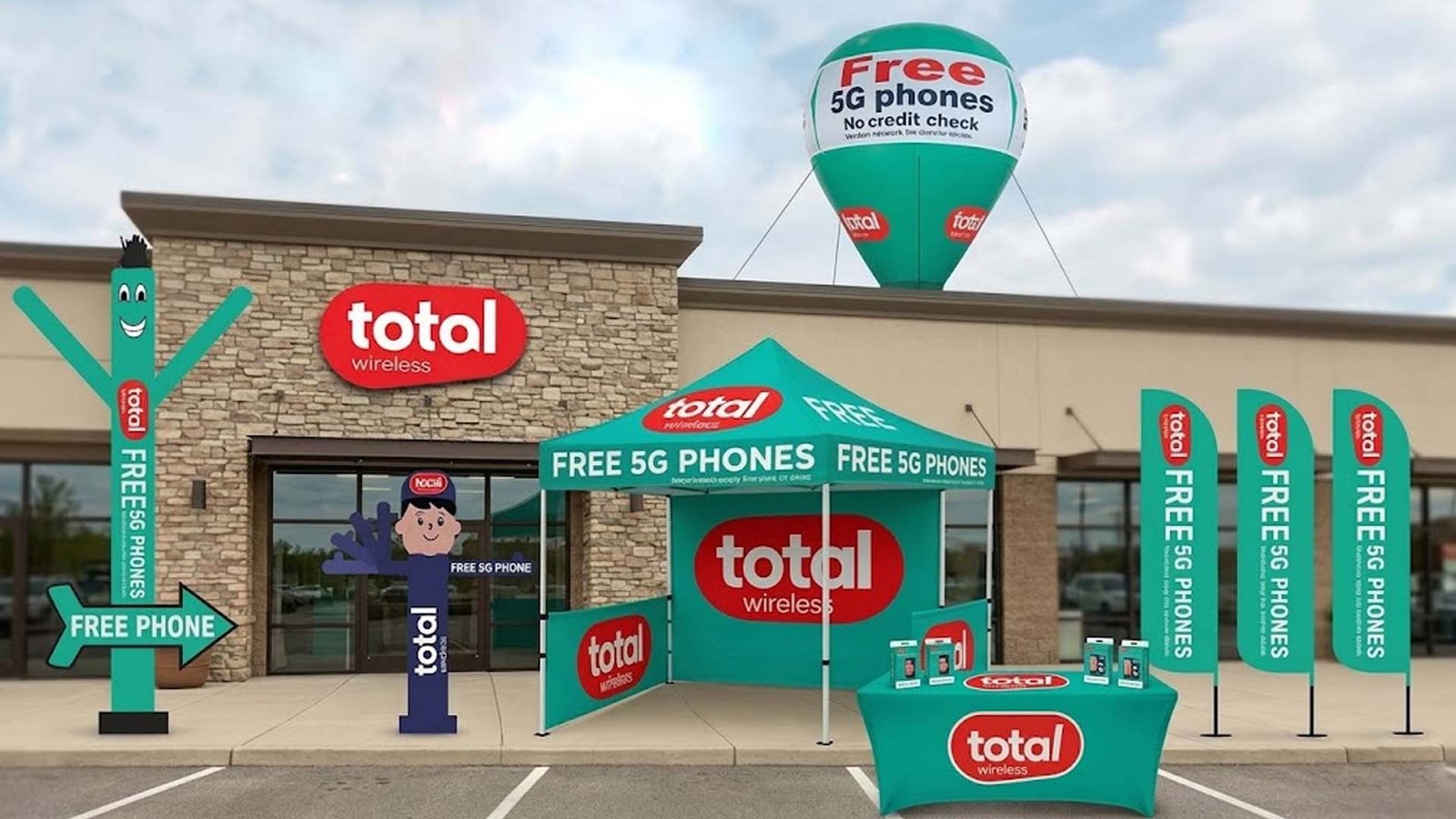
Total wireless pop up tents: create a “promo zone” outside
A branded tent turns your storefront into an event. It signals: something is happening here today. That’s powerful in strip centers because it feels legitimate and organized, not random.
Best for:
- weekend activations
- grand openings
- sidewalk promotions
- community event outreach
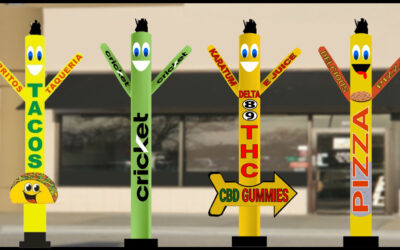
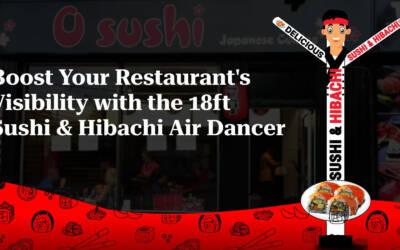
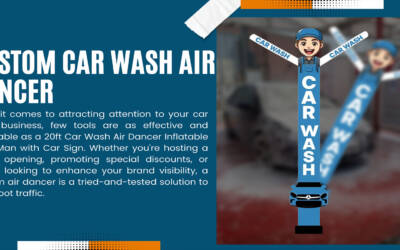
Total wireless air dancers: pull attention from the road
An inflatable can be seen faster and from farther away than most signage. If your store depends on drive-by traffic, motion is often the quickest way to earn the first look.
This is also where the Total wireless inflatable tubeman strategy shines—because it works even when people don’t read anything.
Best for:
- busy roads
- high-speed corridors
- plazas where your sign gets blocked by cars
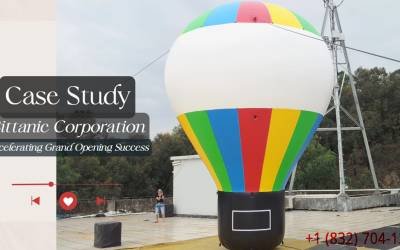
Total wireless balloons: become the landmark
When you want maximum visibility, balloons do something different: they make your location memorable. Customers may forget your store name, but they remember “the store with the balloon.”
Best for:
- grand openings
- big weekend promotions
- areas with heavy competition and long sightlines
Total wireless Table Cover: make the setup look professional
This one is underrated. A table cover makes a small station feel official. It’s ideal for:
- SIM activations
- phone display tables
- quick eligibility checks
- lead capture and callbacks
It adds trust. And trust increases conversations—which increases conversions.
5) Strip Center Playbook: How to Stand Out When Every Store Has Signs
Strip centers are where most wireless dealers operate, and they demand a slightly different strategy.
Focus on plaza entrances, not just your door
If people can’t spot you until they’re already parked, you lose the impulse advantage. Place attention tools where they’re visible from the driveway approach.
Avoid common blockers
Trees, tall signs, poles, and parked cars can hide your message. Set up where the view stays clean from the most common traffic direction.
Guide customers from parking lot to your store
Your outdoor setup should make the path obvious:
- “Here’s the deal”
- “Here’s where to go”
- “It’s easy to walk in right now”
Think of it like a funnel: attention → approach → entry.
6) Busy Road Playbook: Converting Drive-By Traffic Into Walk-Ins
Busy roads are all about timing.
The “seen before the driveway” rule
Your visibility tool must be noticed early enough for the driver to safely choose your entrance. If your advertising only becomes visible at the storefront, it’s too late.
Message strategy for fast traffic
Drivers won’t read details. Use short, clear concepts:
- “Switch & Save”
- “New Phones”
- “Deal Today”
- “Walk-Ins Welcome”
The goal is not explaining everything outside. The goal is getting them to stop.
7) Messaging That Converts for Total Wireless Promotions
Outdoor messaging works when it’s readable and action-based.
Offer-first messaging
Lead with the simplest benefit: “Switch,” “Save,” “Deal,” “Upgrade,” “New Phone.” Your staff can handle the details inside.
Directional messaging
If your location is hard to enter, directional cues matter:
- “Entrance this way”
- “Next right”
- “Turn in”
What not to do
- Too many lines of text
- Tiny fonts
- Complex promo conditions
- Multiple offers fighting each other
One message wins. Multiple messages dilute attention.
8) Campaigns That Bring the Best Results
Outdoor advertising performs best when you attach it to a reason-to-stop campaign.
High-performing campaign types:
- grand opening / re-opening weekends
- Friday–Sunday promo runs
- payday push weeks
- back-to-school device promotions
- holiday traffic spikes
- local community event activations
Even a simple “weekend activation” schedule can produce consistent foot traffic gains because customers start to associate your store with activity and deals.
9) Simple Outdoor Setup Blueprint (Dealer Checklist)
A practical dealer setup doesn’t need to be complicated.
Quick blueprint
- Use a motion/visibility tool facing the road
- Create a tent-based promo zone near the walking path
- Set a branded table station for quick questions and eligibility checks
- Keep a clear path to the entrance so customers don’t feel awkward approaching
Staff positioning
One person greets outside, one stays inside. The outside role is simple:
“Are you switching today or upgrading? We can check options in a couple minutes.”
That opens the conversation without pressure.
10) How to Measure ROI Without Complicated Tracking
You don’t need fancy analytics. Track simple dealer metrics:
- Walk-ins during outdoor setup hours vs normal hours
- “I saw you from the road” mentions
- Activations per weekend campaign
- Calls during promo windows
If you want to track even cleaner, run the same offer two weekends in a row:
- Weekend 1: no outdoor setup
- Weekend 2: outdoor setup running
Compare walk-ins. You’ll get your answer fast.
11) Common Mistakes Dealers Make (And Easy Fixes)
Wrong placement
Fix: place for visibility from the road first, convenience second.
Unclear message
Fix: one short offer + one direction.
Running it at low-traffic hours
Fix: focus on peak traffic windows first—weekends and commute hours.
No “stop zone”
Fix: a tent + table station makes approaching feel natural.
12) Conclusion: The Best Mix for Your Location
If you’re in a strip center, your priority is standing out from the signage chaos and guiding customers from the lot to your door. If you’re on a busy road, your priority is early visibility and a simple message that creates a safe, easy decision to pull in.
The best setups are the ones that feel planned, not random—and the ones that give customers a reason to stop today.
If you want, tell me your store situation (strip center or busy road), and I’ll suggest the best “minimum setup” combination for maximum walk-ins.