Best Outdoor Advertising for Mexican Restaurants: Why Motion Marketing Wins
Turn Drive-By Hunger Into Walk-Ins With One Simple Advantage: Movement 🌮🔥
If you run a Mexican restaurant, you already know the food sells itself, once people find you. The frustrating part is getting noticed in time. Busy roads, packed strip centers, and “sign clutter” can make even the best spot feel invisible. That’s exactly why motion marketing works so well for taco shops, taquerias, and fajita grills: it grabs attention before a driver passes the entrance.
This blog breaks down why motion beats static signage, how to set it up correctly, and how to turn roadside traffic into real orders, without sounding salesy or overcomplicating it.
The real problem isn’t your menu, it’s timing
Most customers don’t plan a taco stop days in advance. They decide in the moment:
- “That smells good.”
- “We should grab tacos.”
- “Let’s try that place.”
The problem is, those decisions happen fast. If your restaurant isn’t noticeable early enough, before the driveway, customers keep going and end up at the next place they can spot easily.
That’s why Mexican restaurant outdoor advertising needs to win the “first glance” battle, not the “read this sign” battle.
What motion marketing is (and why it works on busy roads)
Motion marketing is simple: use movement to break people out of autopilot.
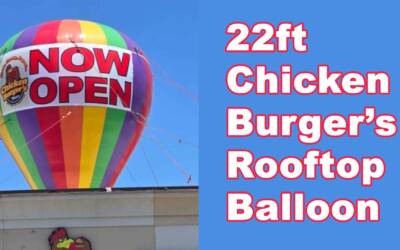
Your brain notices motion faster than text. A moving display pulls attention even when drivers aren’t trying to look. That’s why a tall, moving inflatable can outperform banners and posters that get ignored after a week.
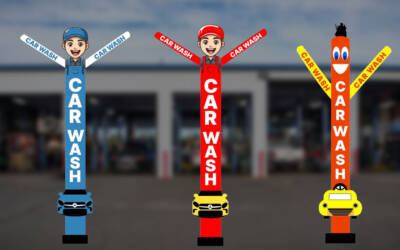
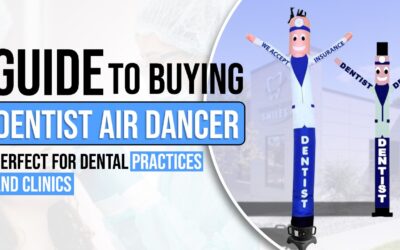
This is the same reason people instantly notice an Inflatable Air Dancer, it creates a visual interruption that says, “Look here.”
Why motion beats static signs for Mexican restaurants
Static signs have limits:
- They blend into the background
- They get blocked by parked cars and landscaping
- They rely on someone reading at speed
Motion does the opposite:
- It stands out from visual clutter
- It’s visible from farther away
- It creates curiosity (“What’s going on there?”)
And for restaurants, curiosity is powerful. Curiosity turns into parking. Parking turns into orders.
The best motion setup for taco shops and fajita spots
If you want a practical, high-impact setup, start with one piece that does two jobs:
- Gets seen early
- Signals what you sell
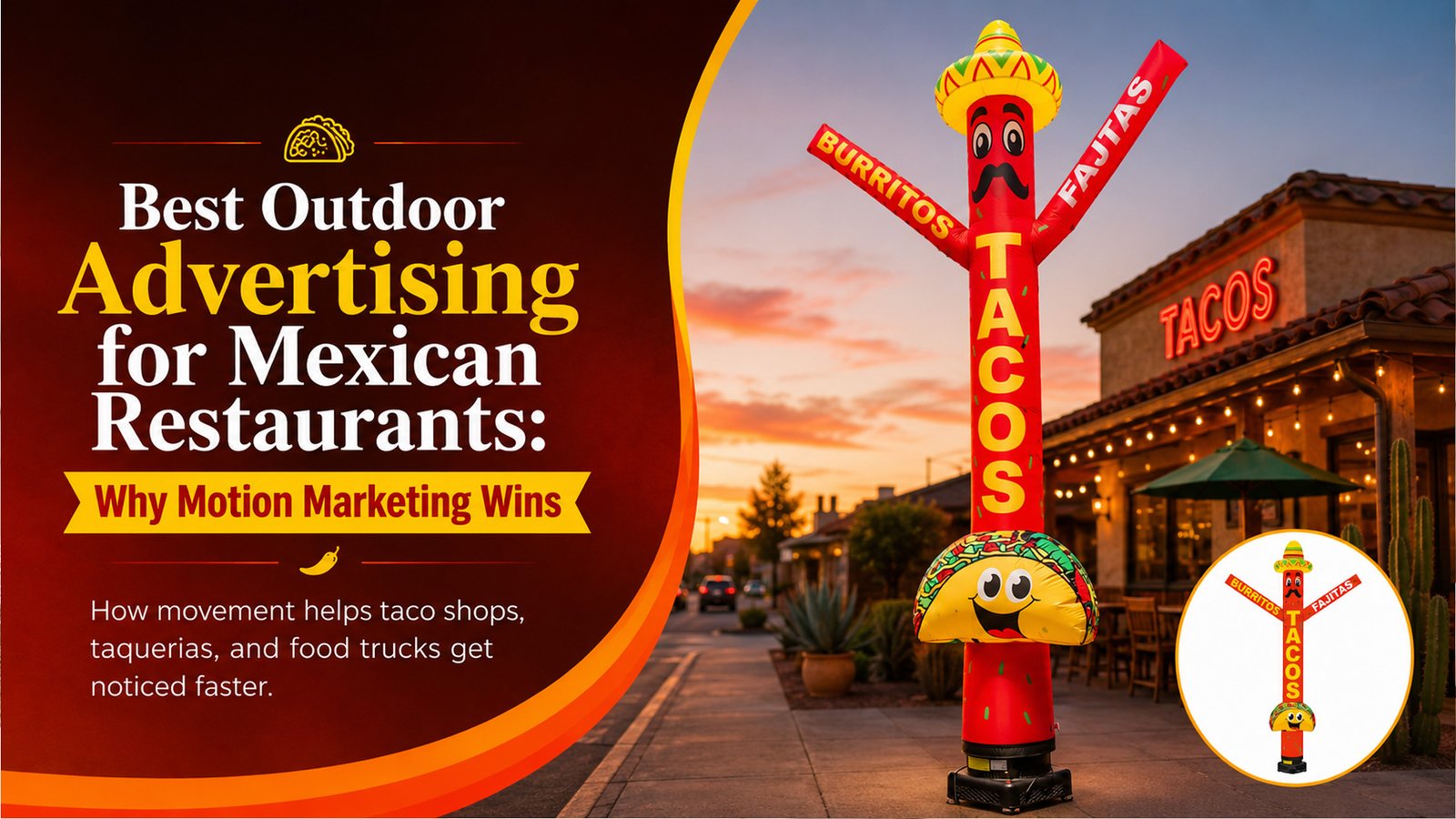
That’s why a themed design like the 20ft tacos and fajitas inflatable air dancer is so effective. It’s tall enough to rise above cars and nearby signage, and it tells customers what they’re about to get, without needing a long explanation.
This type of display also taps into the same “classic attention factor” people associate with a wacky waving inflatable tube man, movement that doesn’t look like every other sign on the street.
Placement that actually drives walk-ins
A motion display works best when it’s placed with one goal in mind: get seen before the turn.
Here’s the placement mindset:
- Put it where drivers see it early enough to decide
- Keep it in a clean line of sight (avoid trees, poles, tall plaza signs)
- Don’t hide it near the door if the driveway is 150 feet earlier
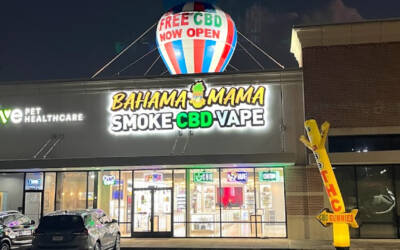
If you’re in a strip center, the best placement is often closer to the driveway entrance or road-facing edge of the lot, so people notice you before they commit to passing by.
What to say (without overloading people)
Restaurants lose attention when they try to say everything at once.
Instead, use the “one-message rule”:
- One identity (tacos/fajitas)
- One simple reason to stop (open/now serving)
- One easy direction (entrance here)
You don’t need paragraphs. Your food and your staff will do the rest once customers walk in.
High-performing use cases for Mexican restaurants
Motion marketing is especially strong during moments when customers are deciding where to eat “right now”:
- Grand opening weekends
- Taco Tuesday rush
- Friday night dinner traffic
- Payday weekends
- Limited-time menu drops
It also works extremely well for food truck advertising because trucks often compete in crowded areas where customers choose based on what they notice first.
Pair motion with a simple “road-to-door” funnel
If you want the setup to feel intentional (not random), build a small funnel:
- Road attention (motion display)
- Parking confirmation (simple direction)
- Door clarity (easy entry, welcoming vibe)
This is what modern taqueria marketing looks like when it’s done right: not louder, just clearer.
How to measure results without complicated tracking
You don’t need fancy analytics. Do a simple 7-day test:
- Run the display during peak traffic windows (lunch + dinner)
- Track walk-ins or order volume compared to the previous week
- Ask customers one question: “How did you hear about us?”
If you start hearing: “We saw that outside,” you’ve got a winner.
Common mistakes (and quick fixes)
Mistake: Putting it where it’s convenient, not where it’s visible
Fix: Move it closer to the road-facing view or driveway approach
Mistake: Too much text
Fix: One simple message, readable at speed
Mistake: Only using it randomly
Fix: Use it during peak hours and promo days first
Final takeaway
Mexican food is an impulse-friendly category. People decide fast, and motion marketing helps you win those fast decisions. If you want more walk-ins, focus on what drivers notice first, not what they can read last.
If you want, tell me your setup type (busy road, strip center, or food truck), and I’ll suggest a simple placement plan and a 7-day promo schedule that fits your traffic pattern.